

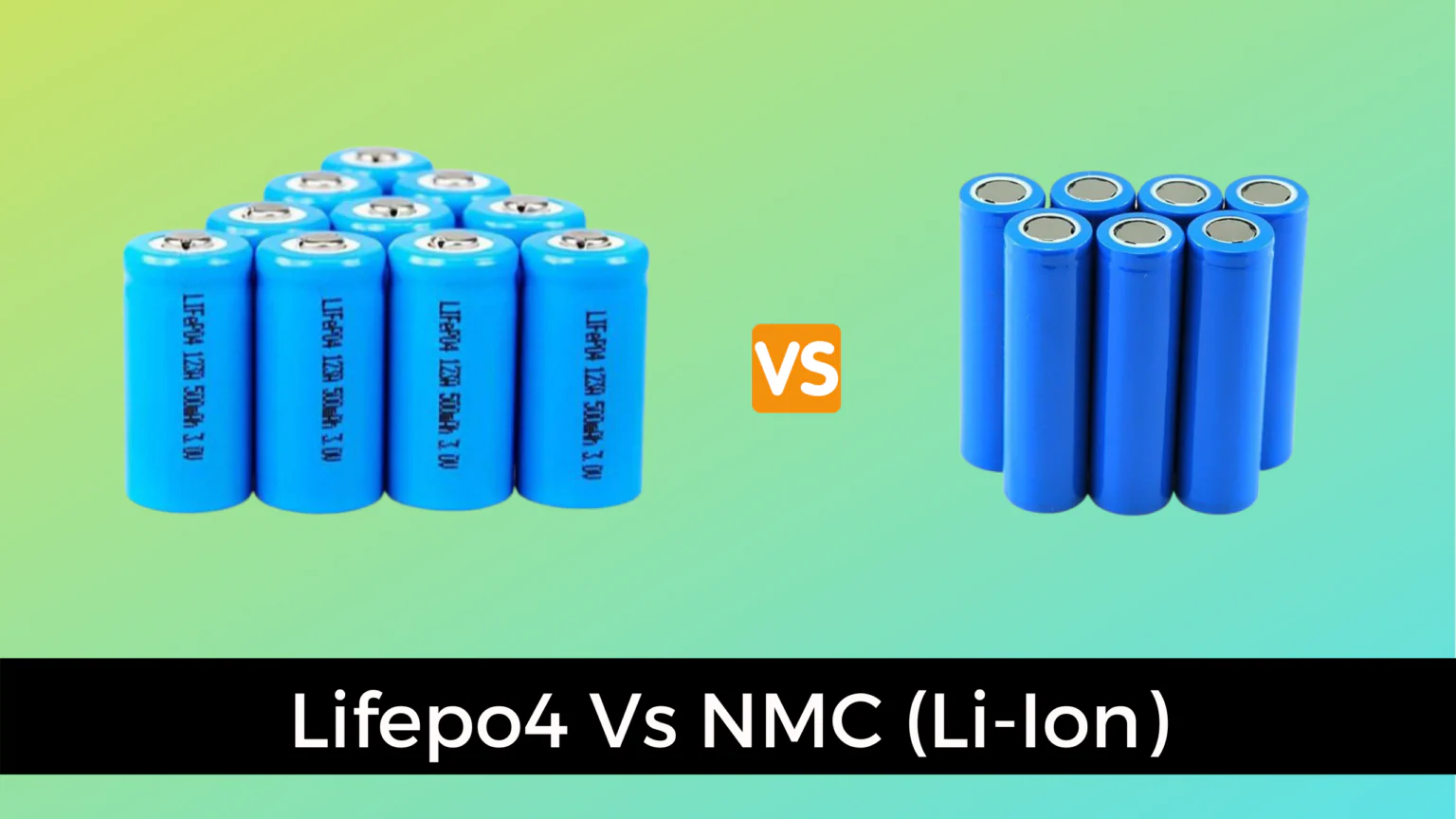
The battery chemistry inside a portable power station is the single most important factor determining its lifespan, safety, usability in extreme environments, and long-term value. While manufacturers often market their units simply as “lithium” or “LiFePO₄,” understanding the fundamental differences between these chemistries—particularly NMC (Lithium Nickel Manganese Cobalt Oxide) and LFP (Lithium Iron Phosphate, commonly called LiFePO₄) —is essential for making an informed purchase. Below, I provide a comprehensive technical and practical comparison across five critical dimensions.
1. Chemical Composition and Fundamentals
NMC (Lithium Nickel Manganese Cobalt Oxide)
NMC batteries are the dominant chemistry in consumer electronics, electric vehicles, and many portable power stations. They use a layered oxide structure combining nickel (for high energy density), manganese (for stability), and cobalt (for structural integrity and cycle life). The typical cathode composition varies (e.g., NMC 811, 622, 532), with higher nickel content increasing energy density but reducing thermal stability.
- Nominal Cell Voltage: 3.6V–3.7V
- Energy Density: 150–220 Wh/kg
- Typical Cycle Life: 500–2,000 cycles to 80% capacity (varies significantly by quality and depth of discharge)
LiFePO₄ (LFP)
LiFePO₄ uses an olivine crystal structure with iron and phosphate, materials that are abundant, non-toxic, and inherently stable. The strong phosphate-oxide bonds resist breakdown even under extreme conditions. This chemistry has become the gold standard for stationary storage, off-grid systems, and premium portable power stations designed for longevity.
- Nominal Cell Voltage: 3.2V–3.3V
- Energy Density: 90–140 Wh/kg
- Typical Cycle Life: 3,000–6,000 cycles to 80% capacity (some premium cells exceed 10,000 cycles at lower depth of discharge)
Standard Lithium-Ion (LiCoO₂ / Generic “Lithium”)
Some entry-level or older portable power stations use generic lithium-ion batteries, typically lithium cobalt oxide (LiCoO₂) or unspecified lithium-polymer formulations. These offer high energy density but poor cycle life (300–500 cycles) and significant safety risks. I will note these where relevant, but the primary comparison focuses on NMC and LiFePO₄, as they dominate the current market.
2. Weight and Portability
NMC: The Lighter Option
NMC’s superior energy density (up to 220 Wh/kg) means that for a given capacity, NMC-based power stations are significantly lighter. A 3,000Wh NMC unit typically weighs between 25–30 kg (55–66 lbs) . This weight advantage is substantial for users who need to move their power station frequently—such as RVers, overlanders, or those who carry units between home and a remote cabin.
- Example: Jackery Explorer 3000 Pro (3,024Wh NMC) weighs 29 kg (63.9 lbs)
- Advantage: Higher energy per kilogram enables more portable high-capacity units
LiFePO₄: The Heavier Contender
LFP’s lower energy density (90–140 Wh/kg) results in a weight penalty of approximately 30–40% more than NMC for the same capacity. A 3,000Wh LiFePO₄ unit typically weighs 35–45 kg (77–99 lbs) . This additional mass is noticeable when lifting the unit into a vehicle or moving it up stairs. However, manufacturers increasingly integrate wheeled trolley systems and telescoping handles to mitigate this drawback.
- Example: Bluetti AC200MAX (2,048Wh LiFePO₄) weighs 28 kg (61.7 lbs); scaling to 3,000Wh would exceed 40 kg
- Trade-off: Heavier, but often paired with superior mobility features (built-in wheels, handles)
Verdict on Weight
| Chemistry | Energy Density | Weight for 3,000Wh | Portability Impact |
|---|---|---|---|
| NMC | 150–220 Wh/kg | 14–20 kg (31–44 lbs) theoretical; 25–30 kg with casing | Lighter; easier to carry short distances |
| LiFePO₄ | 90–140 Wh/kg | 21–33 kg (46–73 lbs) theoretical; 35–45 kg with casing | Heavier; requires wheels for comfortable mobility |
If portability and frequent movement are your top priorities, NMC holds an advantage. If the unit will remain stationary or has integrated wheels, weight becomes less critical.
3. Hot Weather Performance (Tropical Environments)
NMC: Vulnerable to Heat
NMC batteries are thermally sensitive. Elevated ambient temperatures accelerate degradation mechanisms, including solid-electrolyte interphase (SEI) layer growth, transition metal dissolution, and electrolyte decomposition. In tropical environments with sustained temperatures above 35°C (95°F) , NMC cells experience significantly accelerated capacity fade—sometimes reducing cycle life by 30–50% compared to laboratory conditions.
- Operating Temperature: Optimal charging range is 0–45°C (32–113°F), but degradation accelerates above 30°C (86°F)
- Thermal Runaway Risk: NMC has a lower thermal runaway threshold (around 150–180°C / 302–356°F). In extreme heat, poor ventilation, or direct sunlight, internal temperatures can approach dangerous levels
- Practical Impact: In tropical climates (Nigeria, Southeast Asia, the Caribbean), NMC-based units stored or used outdoors may experience shortened lifespans and require careful ventilation
LiFePO₄: Heat-Resistant
LFP’s olivine structure is exceptionally stable at high temperatures. The iron-phosphate bond does not readily break down, and the cathode does not release oxygen—the primary driver of thermal runaway in other chemistries. LiFePO₄ cells can operate safely and maintain cycle life in ambient temperatures up to 60°C (140°F) without significant degradation.
- Operating Temperature: Optimal charging range is 0–55°C (32–131°F); discharge up to 60°C (140°F)
- Thermal Stability: Thermal runaway occurs only above 270°C (518°F) —an extreme rarely encountered even in direct tropical sunlight
- Practical Impact: In hot environments, LiFePO₄ maintains its rated cycle life and presents no elevated safety risk. It is the preferred chemistry for rooftop solar storage, garage installation, and outdoor use in tropical regions
Verdict on Hot Weather
| Chemistry | Heat Tolerance | Cycle Life Impact in Tropics | Safety Margin |
|---|---|---|---|
| NMC | Moderate; degrades above 30°C | 30–50% reduction vs. rated cycles | Lower; thermal runaway risk above 150°C |
| LiFePO₄ | Excellent; stable to 55°C+ | Minimal impact up to 45°C | High; thermal runaway above 270°C |
For users in tropical or desert climates, or anyone storing a power station in an unconditioned garage or vehicle, LiFePO₄ is the clear winner for longevity and safety.
4. Cold Weather Performance (Winter, Extreme Cold)
NMC: Performs Well in Cold
NMC batteries have a significant advantage in sub-freezing temperatures. The lower internal resistance and different electrolyte formulations allow NMC cells to discharge efficiently down to -20°C (-4°F) and, with quality battery management systems (BMS), can accept charging down to -10°C (14°F) . This makes NMC suitable for winter camping, ski resort off-grid use, and cold-climate emergency backup.
- Discharge: Functional down to -20°C (-4°F) with reduced capacity (approximately 70–80% of nominal)
- Charging: Most NMC BMS units allow charging down to -10°C (14°F) with reduced current; below this, charging must be disabled to prevent lithium plating
- Practical Impact: In cold climates, NMC units require less thermal management and deliver more usable capacity without preheating
LiFePO₄: Cold Sensitivity
Cold weather is LiFePO₄’s Achilles’ heel. Due to higher internal resistance and the risk of lithium plating on the anode during charging, most LiFePO₄ batteries cannot accept charging below 0°C (32°F) without permanent damage. Discharge is possible down to -20°C (-4°F), but capacity is significantly reduced—often by 40–50%—and the voltage sag under load increases dramatically.
- Discharge: Functional down to -20°C (-4°F) but with reduced capacity and power delivery
- Charging: Most BMS units cut off charging below 0–5°C (32–41°F); premium units include self-heating functions that draw internal battery power to warm cells before allowing charging
- Practical Impact: In cold environments, LiFePO₄ units require heated storage or built-in battery heaters to remain usable as daily backups. Without these features, they become effectively non-rechargeable in winter conditions
Verdict on Cold Weather
| Chemistry | Discharge Low Temp | Charging Low Temp | Cold Climate Suitability |
|---|---|---|---|
| NMC | -20°C (-4°F) | -10°C (14°F) | Good; works without preheating in most winter conditions |
| LiFePO₄ | -20°C (-4°F) | 0°C (32°F) (requires self-heating for colder) | Poor without integrated battery heater; needs thermal management |
For users in regions with sustained sub-freezing winters (Northern US, Canada, Europe, mountainous areas), NMC offers superior cold-weather convenience. LiFePO₄ units with self-heating features (e.g., Bluetti’s “HeatTech” or EcoFlow’s “self-heating mode”) can mitigate this limitation but consume battery power to do so.
5. Safety and Thermal Stability
NMC: Inherently Less Stable
NMC batteries operate on the edge of thermal stability. The chemistry’s layered structure and oxygen release during thermal runaway make them susceptible to cascading failure. While quality BMS units prevent most issues, physical damage, internal short circuits, extreme overcharging, or sustained exposure to high heat can trigger thermal runaway—a self-sustaining reaction that releases flammable gases and can lead to fire.
- Risk Factors: Physical puncture, internal manufacturing defects, charging below 0°C (lithium plating), over-voltage
- Containment: Quality NMC units use robust casings, flame-retardant materials, and cell-level fuses to mitigate risk
- Real-World Context: Hundreds of thousands of NMC-based power stations and electric vehicles operate safely. The risk is low with reputable brands but non-zero
LiFePO₄: Inherently Safe
LiFePO₄ is widely considered the safest lithium-ion chemistry for stationary and portable storage. The phosphate bond does not release oxygen under thermal stress, meaning the battery cannot sustain thermal runaway in the same way NMC can. Even when punctured, crushed, or overcharged, LiFePO₄ cells typically fail by swelling or venting non-flammable gas rather than catching fire.
- Risk Factors: Extreme physical damage may cause short circuits, but fire risk is minimal
- Containment: Many LiFePO₄ units are certified to UL 1973 (stationary storage) and UL 9540A (thermal runaway propagation) standards
- Real-World Context: LiFePO₄ is the preferred chemistry for indoor installations, children’s rooms, and any application where safety is the paramount concern
Verdict on Safety
| Chemistry | Thermal Runaway Risk | Fire Risk Under Damage | Indoor Suitability |
|---|---|---|---|
| NMC | Low but present; requires robust BMS | Moderate; can ignite if severely damaged | Safe with quality BMS; avoid storing in occupied sleeping areas |
| LiFePO₄ | Extremely low; inherently stable | Minimal; typically fails without flame | Excellent; preferred for bedrooms, garages, occupied spaces |
For maximum peace of mind, particularly for units stored indoors, near sleeping areas, or used in homes with children or elderly residents, LiFePO₄ is the unequivocally safer choice.
6. Real Cycle Life and Long-Term Value
NMC: Adequate for Occasional Use
NMC’s 500–2,000 cycle rating (depending on depth of discharge and manufacturer quality) is sufficient for emergency backup and recreational use. If you use your power station 10–20 times per year for outages or camping, an NMC unit will last 10–20 years before reaching 80% capacity. However, for daily off-grid living—where the unit cycles once or more per day—an NMC battery will degrade to 70–80% capacity within 2–5 years.
- Cycle Definition: Typically rated at 80% depth of discharge (DoD) to 80% remaining capacity
- Degradation Curve: NMC degrades more rapidly in the first 500 cycles, then plateaus; capacity fade is nonlinear
- End of Life: At 500–800 cycles, many NMC units still function but with noticeably reduced runtime
LiFePO₄: Designed for Daily Cycling
LiFePO₄’s 3,000–6,000+ cycle rating is transformative for users who rely on their power station as a daily energy solution. A unit cycled once per day (e.g., daily discharge for off-grid cabin or solar self-consumption) will deliver 8–16 years of useful life before reaching 80% capacity. When amortized over a decade, LiFePO₄ often provides a lower total cost of ownership despite higher upfront cost.
- Cycle Definition: Most premium LiFePO₄ cells rated at 100% DoD to 80% capacity; conservative charging (80% DoD) can extend cycles beyond 8,000
- Degradation Curve: LFP exhibits linear, predictable degradation; no sudden capacity cliff
- End of Life: After 3,500+ cycles, LFP units typically still provide 70–80% of original capacity, remaining usable for light backup duty
Comparative Cycle Life Chart
Cycles to 80% Capacity (100% DoD)

NMC (Premium)          ██████████░░░░░░░░░░░░░░░░░░░░░░░░░░░░  2,000 cycles
NMC (Standard)         ████░░░░░░░░░░░░░░░░░░░░░░░░░░░░░░░░░░  500-800 cycles
LiFePO₄ (Standard)     ████████████████░░░░░░░░░░░░░░░░░░░░░░  3,500 cycles
LiFePO₄ (Premium)      ████████████████████████████████████  6,000+ cycles
Verdict on Cycle Life
| Chemistry | Cycles to 80% | Best Use Case | Cost per Cycle (Value) |
|---|---|---|---|
| NMC | 500–2,000 | Occasional backup, seasonal camping, emergency use | Higher if used daily; acceptable for intermittent use |
| LiFePO₄ | 3,500–6,000+ | Daily off-grid living, solar self-consumption, long-term investment | Lower over lifespan; premium upfront cost justified by longevity |
Summary Comparison Table
| Attribute | NMC (Lithium Nickel Manganese Cobalt) | LiFePO₄ (Lithium Iron Phosphate) |
|---|---|---|
| Energy Density | 150–220 Wh/kg (lighter) | 90–140 Wh/kg (heavier) |
| Weight (3,000Wh) | ~25–30 kg | ~35–45 kg |
| Hot Weather Performance | Degrades above 30°C; thermal runaway risk above 150°C | Stable to 55°C+; minimal degradation; safe to 270°C |
| Cold Weather Performance | Discharges to -20°C; charges to -10°C | Discharges to -20°C; charging requires 0°C+ or self-heating |
| Safety | Safe with quality BMS; moderate fire risk under severe failure | Inherently stable; minimal fire risk; UL 1973 certified |
| Real Cycle Life | 500–2,000 cycles (80% DoD) | 3,500–6,000+ cycles (100% DoD) |
| Typical Applications | Electric vehicles, lightweight portable power, occasional backup | Solar storage, off-grid homes, daily-use systems, indoor backup |
| Cost | Lower upfront | Higher upfront; lower long-term cost |
Practical Recommendations by Use Case
| User Profile | Recommended Chemistry | Rationale |
|---|---|---|
| Tropical climate resident (Nigeria, Southeast Asia) | LiFePO₄ | Heat tolerance prevents premature degradation; safer in unconditioned spaces |
| Cold climate resident (Canada, Northern US, Europe) | NMC (or LiFePO₄ with self-heating) | NMC works without preheating; LiFePO₄ requires battery heater feature |
| Daily off-grid living (full-time RV, cabin) | LiFePO₄ | 6,000+ cycle life justifies weight; lower cost per cycle over 5–10 years |
| Occasional emergency backup (homeowner) | Either; prioritize other features | Both suffice for 10–20 outages/year; focus on capacity and recharge speed |
| Frequent travel / overlanding | NMC | Lighter weight; easier to move; acceptable cycle life for seasonal use |
| Indoor / bedroom installation | LiFePO₄ | Superior safety profile; peace of mind for occupied spaces |
Final Expert Assessment
The choice between NMC and LiFePO₄ ultimately comes down to use frequency and environmental conditions. NMC excels in portability and cold-weather convenience, making it ideal for travelers, campers, and those in northern climates who need occasional backup power. However, its shorter cycle life and reduced heat tolerance mean it is less suited for daily use or tropical environments.
LiFePO₄, despite its weight penalty and cold-weather limitations, is the superior chemistry for long-term investment, safety-conscious users, and anyone relying on their power station daily. In hot climates, the thermal stability of LiFePO₄ ensures the battery will deliver its rated cycle life rather than degrading prematurely. For full-time off-grid living or whole-home backup, the 3,500+ cycle lifespan provides a decade or more of reliable service, ultimately delivering lower total cost of ownership.
When evaluating a portable power station, I always recommend checking the battery chemistry first—before capacity, inverter size, or brand name. That single specification will tell you more about the unit’s realistic lifespan, safety, and suitability for your environment than any other factor.