

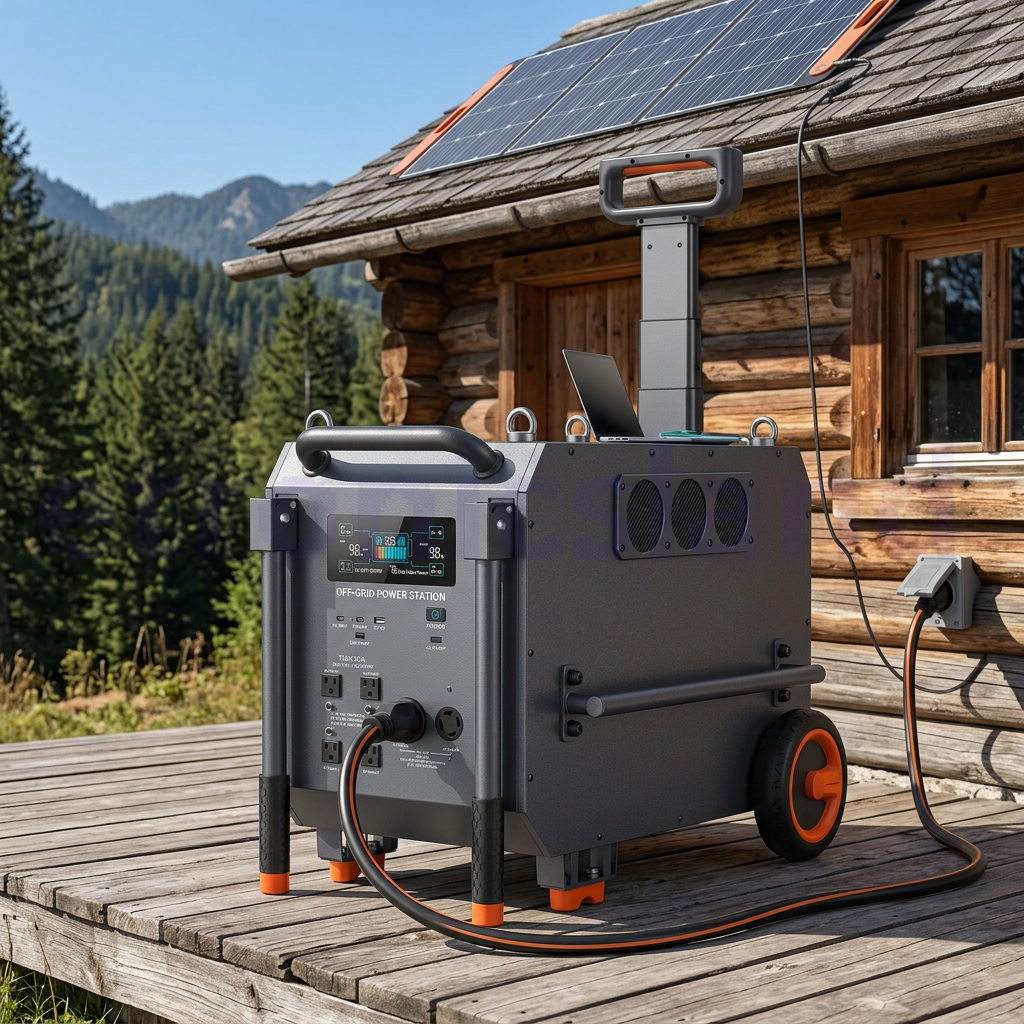
For long-term off-grid living, the “best” power station isn’t the one with the highest specs on paper, but the one that best aligns with your specific needs for longevity, scalability, and resilience. After analyzing the latest market offerings, the top contenders fall into two distinct categories: the modular powerhouse for ultimate flexibility and expansion, and the rugged all-in-one for maximum durability and simplicity.
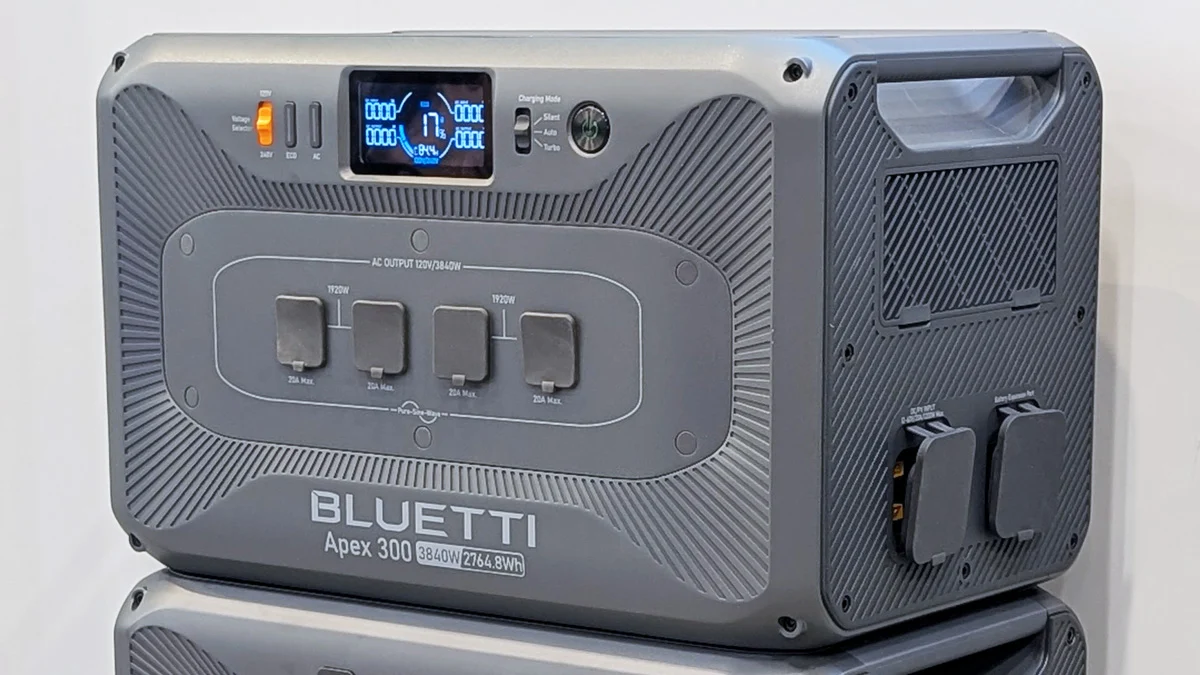
The absolute top recommendation for future-proofing your off-grid setup is the BLUETTI Apex 300. Its brilliance lies in its modular, scalable design. You can start with the base unit (2,764Wh, 3,840W output) for under $1,500 and expand its capacity up to a massive 16.5kWh or more using additional B300K batteries. It also supports both 120V and 240V output, crucial for running well pumps or larger appliances, and features a 0ms UPS switchover with an industry-first 12,000W bypass for seamless home integration. Built on a 6,000-cycle EV-grade LiFePO₄ battery, it’s engineered for over a decade of daily use.
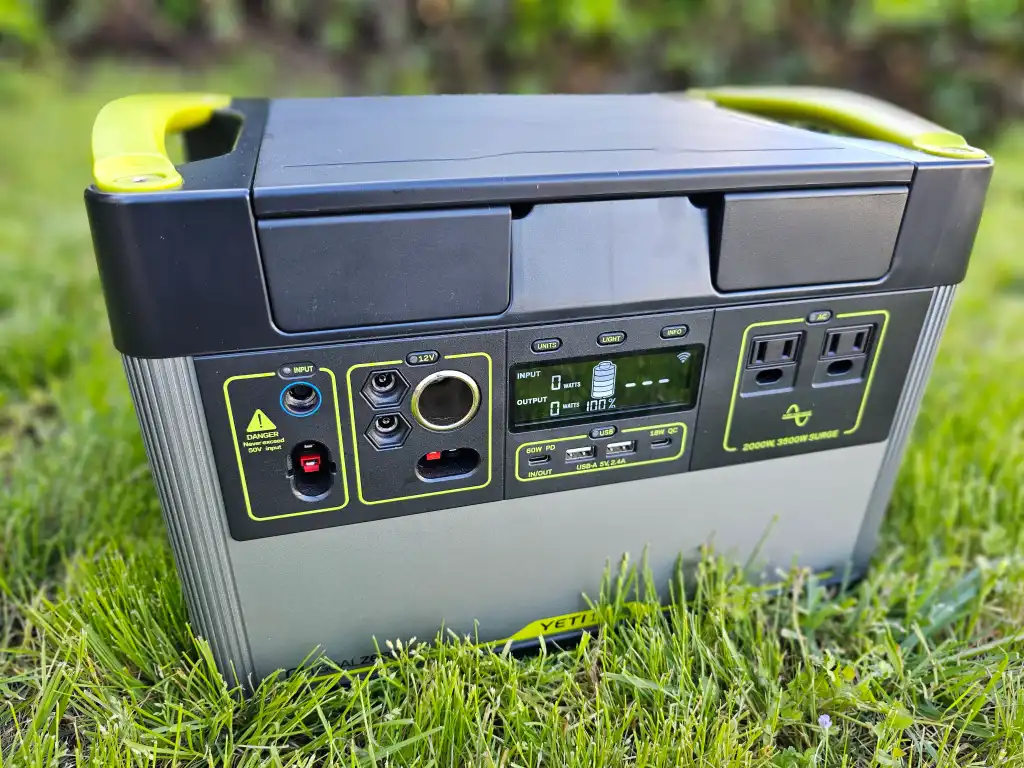
If your priority is a single, weather-proof unit that can handle the elements, the Goal Zero Yeti 1500 is the superior choice. While it has a smaller capacity (1,500Wh) than the Apex, its ruggedness is unmatched. It features a durable aluminum chassis and an IPX4 weather-resistant rating, meaning it can withstand splashing water, rain, and dust—a rarity in this category that is essential for life outdoors. Its new generation LiFePO₄ battery is rated for over 4,000 cycles (10+ years) and it supports ultra-fast AC recharging (0-80% in under an hour). For users who value durability and simplicity over maximum expansion, this is the ultimate companion.
⚖️ Head-to-Head Comparison of Top Contenders
💡 How to Choose Based on Your Off-Grid Lifestyle
- For a Remote Cabin or Tiny Home (The Scalable Powerhouse): You can’t beat the BLUETTI Apex 300. Its ability to start as a simple backup and grow into a whole-home system as your energy needs and budget allow is invaluable. Its 240V output and 12,000W bypass feature make it capable of running heavy-duty appliances and even recharging an electric vehicle.
- For Van Life, Overlanding, or a Rugged Camp (The Durable Companion): Here, the Goal Zero Yeti 1500 excels. The IPX4 rating means you don’t have to panic if rain starts coming down or dust is flying. Its aluminum build is designed to withstand the constant vibrations and bumps of life on the road, making it a more resilient choice for a mobile setup.
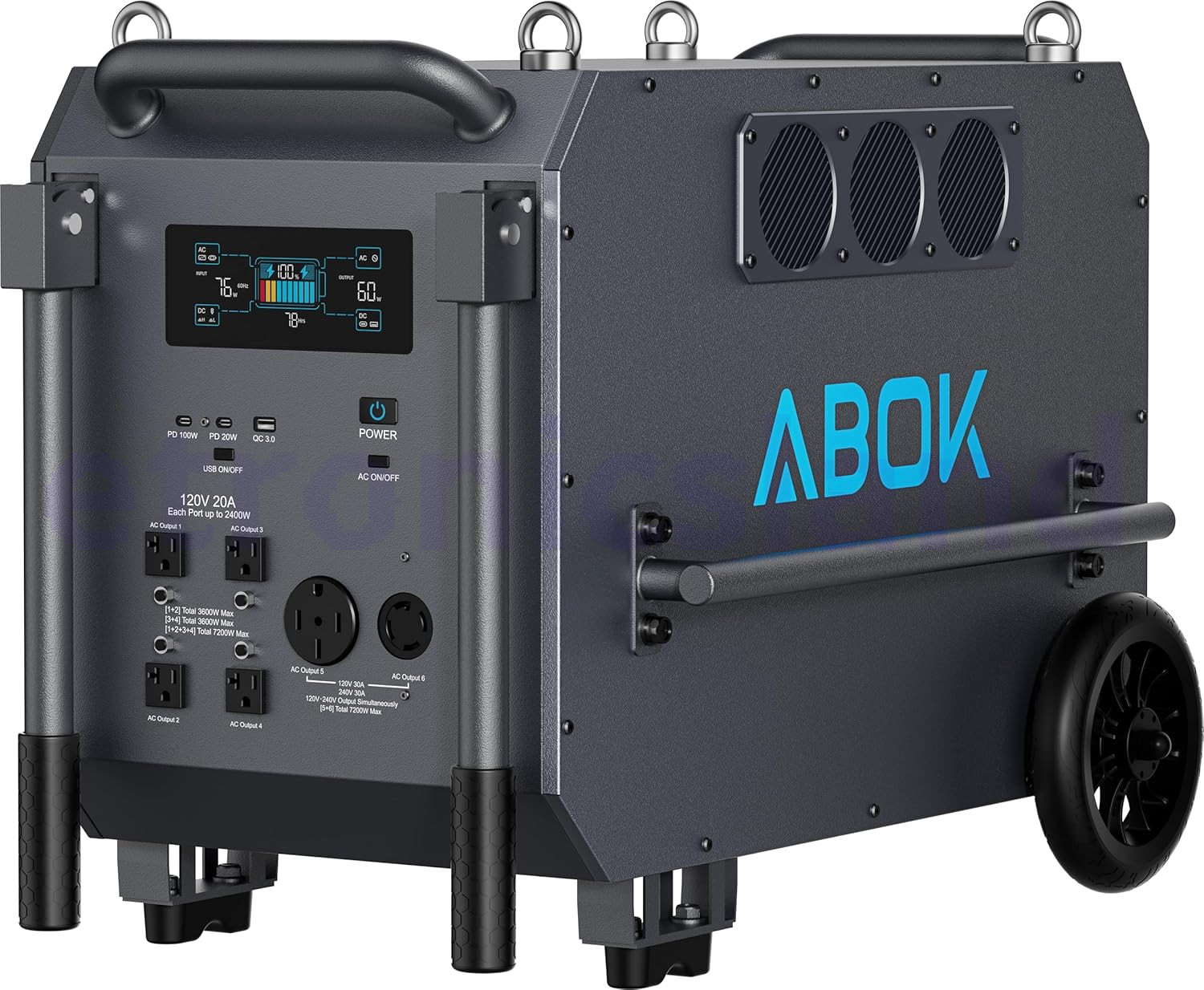
- For Heavy-Duty Needs or a Workshop (The Powerhouse): If your off-grid living involves running a well pump, workshop tools, or multiple high-wattage appliances simultaneously, consider the ABOK Ark7200. With nearly 10,000Wh of internal capacity and a 7,200W inverter, it’s in a different league for raw, sustained power.
- Other Notable Mentions: The EcoFlow DELTA 3 Series offers a great balance of affordability and reliability for essential backup, while the Oscal Power Max 2400 Pro stands out for its ability to stack up to ten expansion units for a staggering 22,176Wh total capacity. For permanent, whole-home installations, a purpose-built HELIOS ESS 16kWh system is a non-portable but highly robust alternative.
Ultimately, the right choice depends on whether your priority is a system that grows with you, one that can be thrown in the back of a truck without worry, or one that delivers immense power from day one.
I hope this detailed comparison helps you find the perfect energy solution for your off-grid journey. What is your primary power need for your setup—running a workshop or keeping a cabin comfortable?