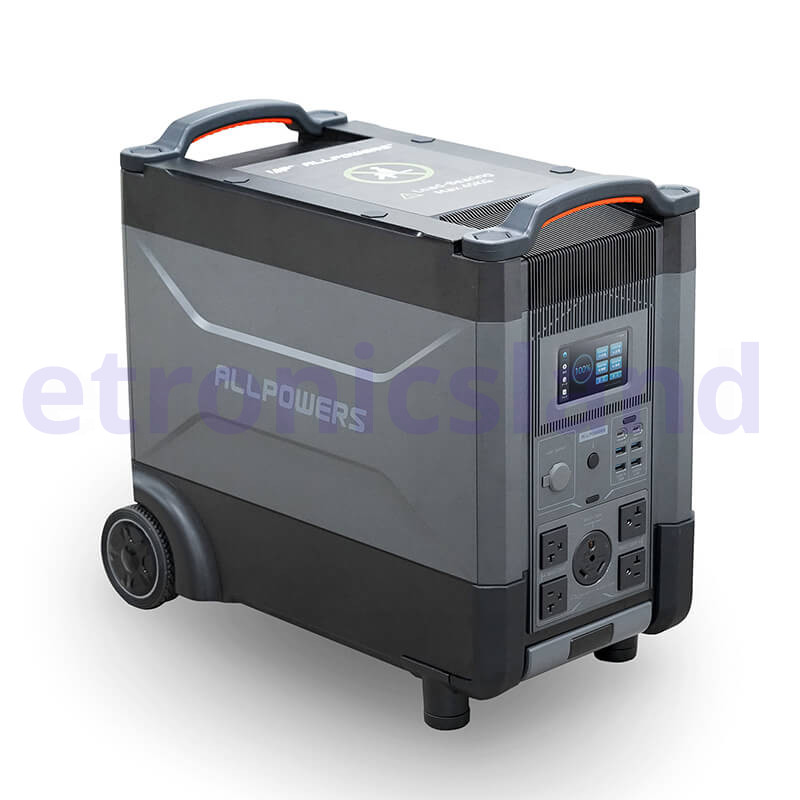
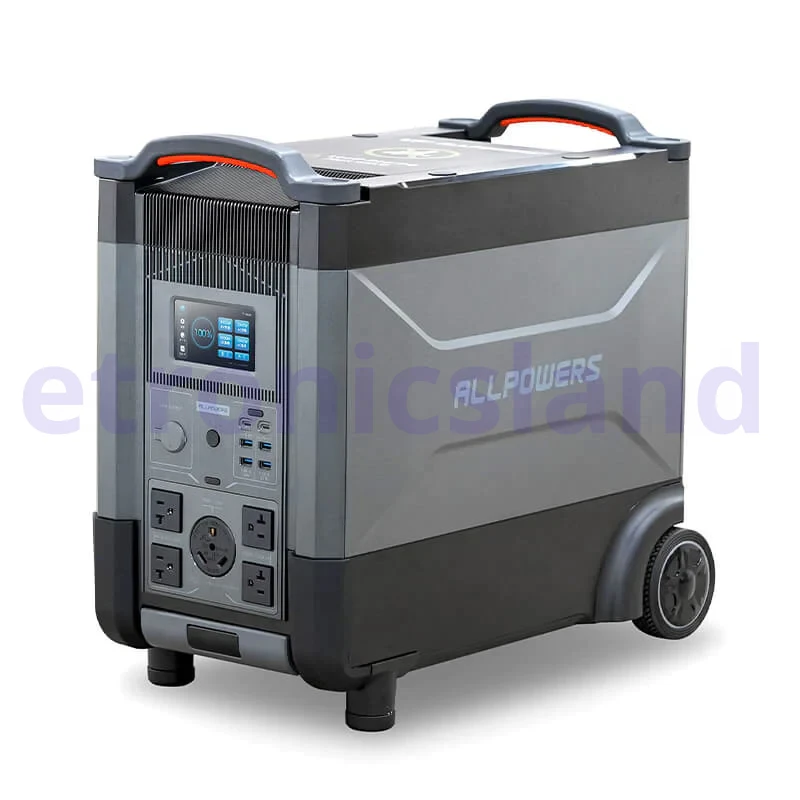
The ALLPOWERS R4000 offers an impressive amount of power and capacity for its price point, making it a strong contender in the large portable power station market . However, my detailed analysis reveals a clear trade-off: you are getting phenomenal performance specifications but assuming a significant risk when it comes to long-term reliability and customer support. Here is everything you need to know.
Specs
Capacity: 3456Wh-3600Wh
AC Output: 3600W - 4000W (6000W Peak)
Battery Type: LiFePO4
Weight: 45kg (99lbs)
UPS Switchover: <15ms
Warranty Claim Risk: High (User Reported)
Pros
Massive Capacity & Expandability
High Output Power
Clean Power
Excellent Battery Chemistry
Fast Recharging
UPS Functionality
Multiple Charging Modes
Built-in Wheels
Cons
Very Heavy
Poor Customer Service (Critical Issue)
Quality Control Concerns
App Connectivity Issues
Warranty Enforcement Problems
Fan Noise
High Cost of Expansion
The ALLPOWERS R4000 offers an impressive amount of power and capacity for its price point, making it a strong contender in the large portable power station market . However, my detailed analysis reveals a clear trade-off: you are getting phenomenal performance specifications but assuming a significant risk when it comes to long-term reliability and customer support. Here is everything you need to know.
Section 1: Detailed Review & Performance Analysis
1. Power and Usability (Rating: 4.5/5)
The standout feature of the R4000 is its raw output. With a 3600W to 4000W continuous AC output (6000W peak), this unit can handle heavy-draw appliances simultaneously. Users have reported running refrigerators, microwaves, kettles, and even 200V well pumps without issue . It features a pure sine wave inverter, ensuring safe operation for sensitive electronics like CPAP machines or laptops.
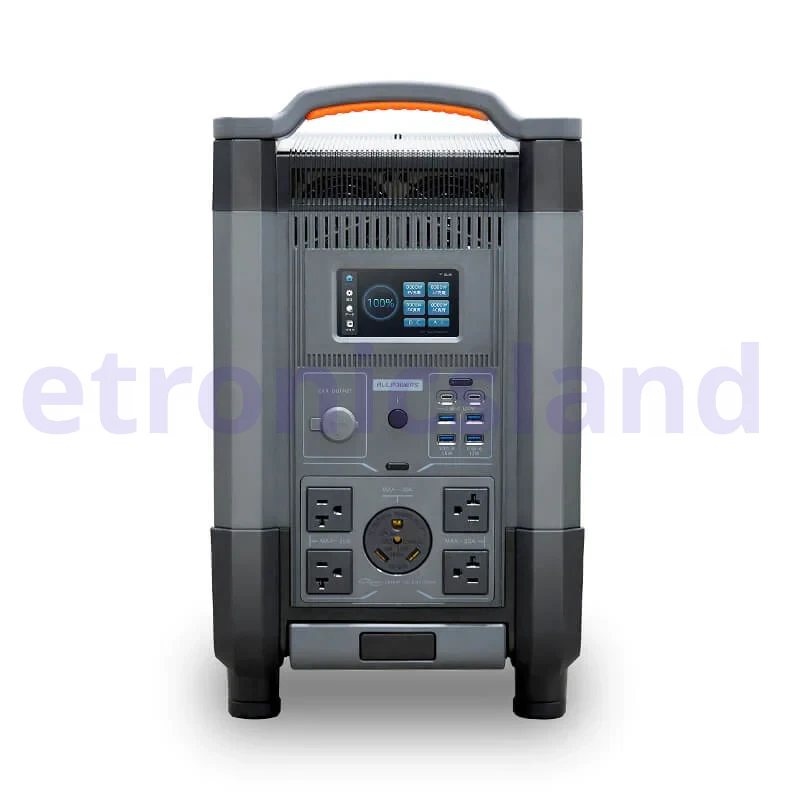
Ports: It includes up to 11-12 ports, including 4 AC outlets, a 30A RV outlet, carport, and up to 100W USB-C ports .
Portability: At 45kg (99 lbs), it is very heavy. However, the integrated wheels and extendable handle make it as easy to move as a large piece of luggage .
Voice Control: The "Voice Control" feature works via the ALLPOWERS App, but several users note that the app requires account login and can have connectivity issues .
2. Expandability & Home Backup (Rating: 4.2/5)
Unlike many competitors in this price range, the R4000 is highly modular. You can expand the capacity from the base 3456Wh–3600Wh to a massive 21,600Wh by connecting extra "Smart Generators" (battery packs) .
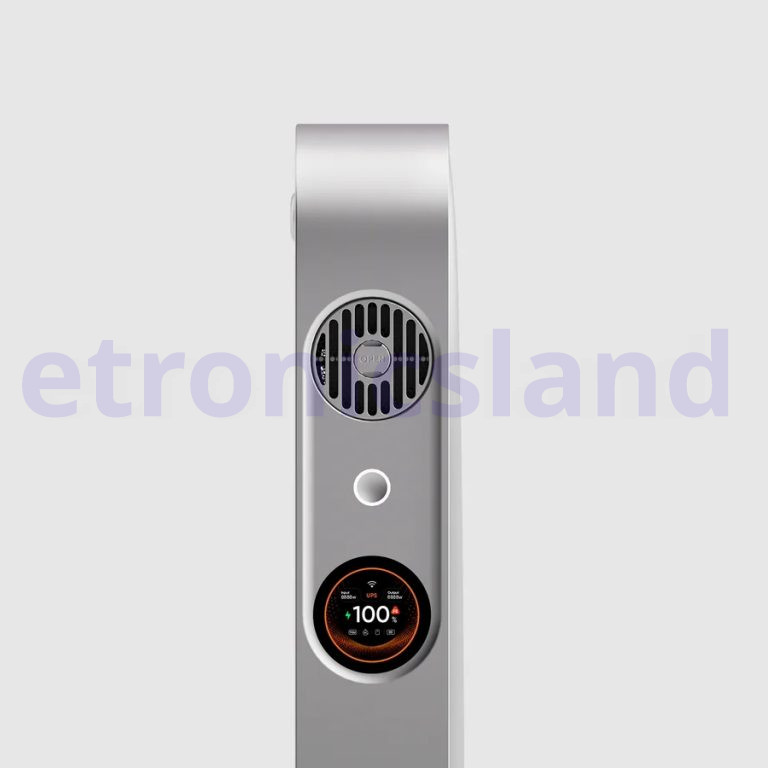
UPS Function: It features a <15ms UPS (Uninterruptible Power Supply) switchover. In theory, if the grid fails, the R4000 kicks in fast enough to keep your router, computer, or refrigerator running without interruption .
3. Battery Safety & Longevity (Rating: 5/5)
The unit uses LiFePO4 (Lithium Iron Phosphate) battery chemistry.
Cycle Life: It is rated for 3,500 cycles to 80% capacity and up to 6,500 cycles to 50% . If used daily, this battery could last over a decade.
Safety: LiFePO4 is the gold standard for safety; it can withstand high temperatures without thermal runaway (fire risk) .
4. The "1-Hour Charge" Reality (Rating: 4/5)
The marketing claims "1 Hour to Fully Charged." This is technically true but requires specific, expensive conditions. You must utilize Dual Charging (AC Wall + Solar simultaneously) or use an EV Station.
AC Only: If you plug it into a standard wall outlet, expect closer to 2 hours for 0-80% .
Solar Input: It supports up to 2000W of solar input (MPPT), which is excellent for off-grid recharging, provided you have the large panels to support it.
Note: The following data is compiled from user review aggregates and technical specifications found in the search results.
Table 1: Technical Specifications vs. Competition (Estimated)
Feature
ALLPOWERS R4000
Avg. Competitor (EcoFlow/Bluetti)
Capacity
3456Wh - 3600Wh
~3600Wh
AC Output
3600W - 4000W (6000W Peak)
3600W
Battery Type
LiFePO4
LiFePO4
Weight
45kg (99lbs)
~45kg (~100lbs)
UPS Switchover
<15ms
<20ms
Warranty Claim Risk
High (User Reported)
Low
Table 2: Estimated Runtime (Based on 3456Wh Capacity)
Device
Power Draw
Estimated Runtime
Refrigerator (Energy Star)
150W
~20 Hours
65" LED TV
150W
~20 Hours
Microwave
1200W
~2.5 Hours
Coffee Maker
1000W
~3 Hours
Space Heater
1500W
~2 Hours
Note: These are theoretical estimates. Using AC power drains the battery faster due to inverter inefficiency.
Table 1: Charging Methods & Speed Comparison
Charging Method
Input Power
Time to Full (0-100%)
Best Use Case
Dual Charging (AC + Solar)
4000W (Max)
~1 Hour
Fastest possible charge; ideal when time is critical
Dual Charging (EV + Solar)
4000W (Max)
~1 Hour
Same as above; uses EV charging stations
EV Station Charging Only
2000W
~1.5 - 2 Hours
When EV charging is available but no solar
AC Wall Outlet (Fast Mode)
2300W / 10A
~1.5 - 2 Hours
Standard home charging at maximum speed
Solar Only (Peak)
2000W
~1.5 - 2 Hours
Off-grid; requires optimal sunlight conditions
AC Wall Outlet (Standard Mode)
1035W / 4.5A
~3 - 4 Hours
Balancing charge speed with outlet safety
AC Wall Outlet (Quiet Mode)
560W / 2.2A
~6 - 7 Hours
Nighttime or noise-sensitive environments
Chart 1: Charging Speed Comparison (Time to 100%)
text
Dual (AC+Solar)    ████████████████████████████████░░░░░░░░░░░░░░░░░░░░░░░░░░░░░░░░░░░░░░  1.0 hr
Dual (EV+Solar)    ████████████████████████████████░░░░░░░░░░░░░░░░░░░░░░░░░░░░░░░░░░░░░░  1.0 hr
EV Station Only    ████████████████████████████████████████████████████████░░░░░░░░░░░░░░  1.8 hr
Solar Only (2kW)   ████████████████████████████████████████████████████████░░░░░░░░░░░░░░  1.8 hr
AC Fast (2300W)    ████████████████████████████████████████████████████████░░░░░░░░░░░░░░  1.8 hr
AC Standard        ██████████████████████████████████████████████████████████████████████  3.5 hr
AC Quiet (560W)    ████████████████████████████████████████████████████████████████████████  6.5 hr

     0h     1h     2h     3h     4h     5h     6h     7h
*Note: Times are estimates based on 3600Wh capacity and real-world charging efficiency factors. "1 Hour" claims require ideal conditions with maximum input .*
Table 2: Detailed Input Specifications by Charging Source
Charging Source
Max Input Power
Voltage Range
Current
Connector Type
AC Wall Outlet (Fast Mode)
2300W
220-240V (UK/EU) / 100-120V (US)
10A Max
Standard AC cord
AC Wall Outlet (Standard Mode)
1035W
220-240V
4.5A
Standard AC cord
AC Wall Outlet (Quiet Mode)
560W
220-240V
2.2A
Standard AC cord
Solar Input
2000W Max
12-150V DC
40A Max
MC-4 to XT60
EV Station Charging
2000W Max
Varies
Varies
EV charging connector
Dual (AC + Solar)
4000W Max
Combined
Combined
Both connections
Dual (EV + Solar)
4000W Max
Combined
Combined
Both connections
Chart 2: Input Power by Charging Mode (Watts)
Dual (AC+Solar)        ████████████████████████████████████████████████████████████████████████████  4000W
Dual (EV+Solar)        ████████████████████████████████████████████████████████████████████████████  4000W
AC Fast Mode           ████████████████████████████████████████████████████████████░░░░░░░░░░░░░░  2300W
EV Station Only        ██████████████████████████████████████████████████░░░░░░░░░░░░░░░░░░░░░░░░  2000W
Solar Only (Peak)      ██████████████████████████████████████████████████░░░░░░░░░░░░░░░░░░░░░░░░  2000W
AC Standard Mode       ████████████████████████████████░░░░░░░░░░░░░░░░░░░░░░░░░░░░░░░░░░░░░░░░░░  1035W
AC Quiet Mode          ████████████████░░░░░░░░░░░░░░░░░░░░░░░░░░░░░░░░░░░░░░░░░░░░░░░░░░░░░░░░░░   560W
Table 3: Real-World Charging Time Estimates
Scenario
Starting Capacity
Target Capacity
Estimated Time
Notes
Fastest Possible
0%
100%
1.0 Hour
AC + Solar; full sun; EV station available
Typical Home
0%
100%
1.8 Hours
Standard AC outlet (Fast Mode, 2300W)
Home (Standard Mode)
0%
100%
3.5 Hours
Lower current draw; safer for older wiring
Pure Solar (Perfect Sun)
0%
100%
1.8 Hours
Requires 2000W solar array in peak conditions
Pure Solar (Partial Cloud)
0%
100%
3-6 Hours
Varies greatly with weather
Quiet Mode (Overnight)
0%
100%
6.5 Hours
Minimal fan noise; ideal for bedrooms
Emergency Top-up (1 Hour)
0%
30%
1.0 Hour
Using Quiet Mode for overnight charging
Key Takeaways on Charging:
The "1-Hour Charge" Claim – This is achievable but requires dual charging (AC + Solar simultaneously) or connecting to an EV station. It is not possible with standard AC-only charging.
Three AC Modes – The R4000 offers three distinct AC charging profiles :
Fast Mode (2300W): Quickest home charging
Standard Mode (1035W): Balanced approach
Quiet Mode (560W): Minimizes fan noise for indoor/nighttime use
Solar Flexibility – With a maximum solar input of 2000W (12-150V, 40A MPPT), the R4000 can pair with various solar panel configurations .
Dual Input Advantage – The ability to combine AC + Solar (4000W total) or EV + Solar (4000W total) is what enables the industry-leading 1-hour charge time .
Section 3: Reliability Warning (Customer Service)
Honesty Check: This is where the product falls apart for many buyers. While the hardware is excellent on paper, the company has a troubling track record.
Failure Rate: Multiple verified reviewers report the unit failing completely (black screen, no power) within the first 30 days to a year .
Customer Service: This is the weakest link. After-sales support is described as "friendly but inefficient" by some, and "horrible" or "unreachable" by others . One user reported the unit "smelt of burning" and, after a month of emails, was left with a bricked unit .
Warranty Issues: Several users felt the warranty promises made on sales platforms (eBay/Amazon) were not honored by Allpowers directly .
Rating: 2.5/5 (Service)
Section 4: Final Ratings (1 to 5 Scale)
Here is the final scoring breakdown based on the aggregated evidence.
Category
Score
Justification
Performance & Power
4.7
Handles high-draw devices (up to 6000W surge) with ease; pure sine wave is clean.
Capacity & Expandability
5.0
3600Wh base is large; expandable to 21600Wh is industry-leading for this price.
Recharging Speed
4.5
Fastest when using dual inputs or EV charging; average when using standard wall plug.
Value for Money
4.0
Massive specs for the dollar, but the risk of failure and bad support lowers the "value" proposition.
Reliability / Customer Support
2.0
Significant reports of units failing and being left unreplaced despite warranty claims.
Portability & Design
4.0
Very heavy, but the wheels help. Fan noise is noted as "loud" by several users .
FINAL VERDICT: 3.8 / 5 (Recommended with Reservations)
Should you buy the ALLPOWERS R4000?
YES, if: You are a "power user" comfortable troubleshooting technology, you buy it via a third-party warranty (like Amazon or your credit card insurance), and you need maximum capacity for the lowest possible dollar.
NO, if: You need this for critical medical equipment, live in a remote area (where returns are hard), or you cannot afford to potentially lose your investment to a manufacturing defect with no backup support.
Pro-Tip for Buyers: If you purchase this, test it heavily for 72 hours immediately upon arrival. Cycle the battery 0-100%, test all ports, and ensure the fan and AC inverter work perfectly before the return window closes.