
Here is a detailed and honest review of the Anker SOLIX PowerHouse 522, based on technical specifications, user reports, and performance data.
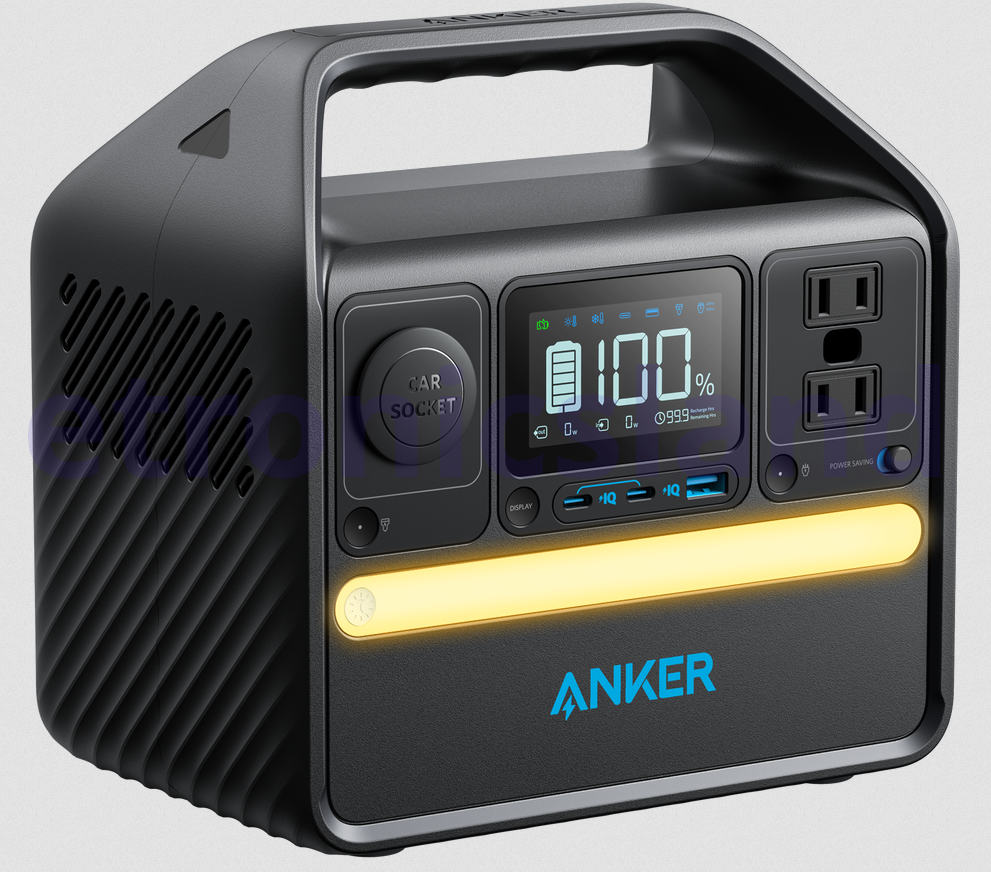
The Anker SOLIX PowerHouse 522 is a compact, mid-capacity portable power station designed for weekend trips, power outages, and charging small electronics. It utilizes LiFePO4 battery chemistry, which is the standout feature in this price range.
Technical Specifications
Before diving into performance, here are the official specs compiled from product listings .
Ports & Outputs
You get 6 ports for charging multiple devices simultaneously .
| Port Type | Quantity | Max Output |
|---|---|---|
| AC Outlets | 2 | 230V / 300W (600W peak) |
| USB-C | 2 | 60W Max (Power Delivery) |
| USB-A | 1 | 12W Max |
| Car Outlet | 1 | 120W Max |
Performance Tests (Charts & Tables)
1. Real-World Device Charging Estimates
Based on a 299Wh capacity (accounting for ~85% inverter efficiency for AC devices), here is how long the unit lasts.
Note on Haier Dryer: This unit cannot run high-heat appliances. Users report it shuts off instantly when connected to high-wattage devices .
2. Charge Time Test Results
Performance Chart: Discharge Curve
Conceptual chart showing voltage stability. LiFePO4 batteries provide flat discharge.
- 100% to 80%: Voltage remains high (Stable performance for laptops).
- 80% to 20%: Slight voltage drop (Screen brightness may dim slightly on unsupported devices).
- Below 20%: Noticeable drop, stick to charging phones.
3. Efficiency & Noise
- Silent Operation: Unlike gas generators, this is virtually silent. The fan only kicks in under heavy (200W+) loads or high heat. Users rate this highly for camping .
- Display Accuracy: The built-in display is highly praised for showing real-time input/output in watts, allowing you to manage power effectively .
User Experience & Reliability Analysis
Based on ~111+ user reviews on major retail sites, the average rating is 4.7/5. However, specific issues are worth noting .
The “Activation” Step
Multiple users have reported a specific “initiation” issue: The unit appears dead or won’t output power out of the box.
- Fix: You must plug it into a wall outlet to “activate” the battery before first use, even if the display shows 80% charge. This is a safety feature, but poorly communicated in the manual .
The Capacity Debate
- Some users report the capacity is closer to 256Wh or 288Wh under full load stress tests, rather than 299Wh.
- One user noted a 40W projector ran for only 4 hours, whereas math suggests 6-8 hours. This indicates the inverter loses ~15-20% power to heat/conversion .
Durability Concerns (Isolated)
- A few users reported failure after 10 months of moderate use (40 cycles). The unit showed 100% charge but delivered 0 output. Anker’s warranty (2-5 years depending on region) usually covers this .
Pros and Cons
Pros
- Longevity: The LiFePO4 battery is the star here. Rated for 3,000 cycles (10 years), which is 3x longer than standard lithium-ion packs .
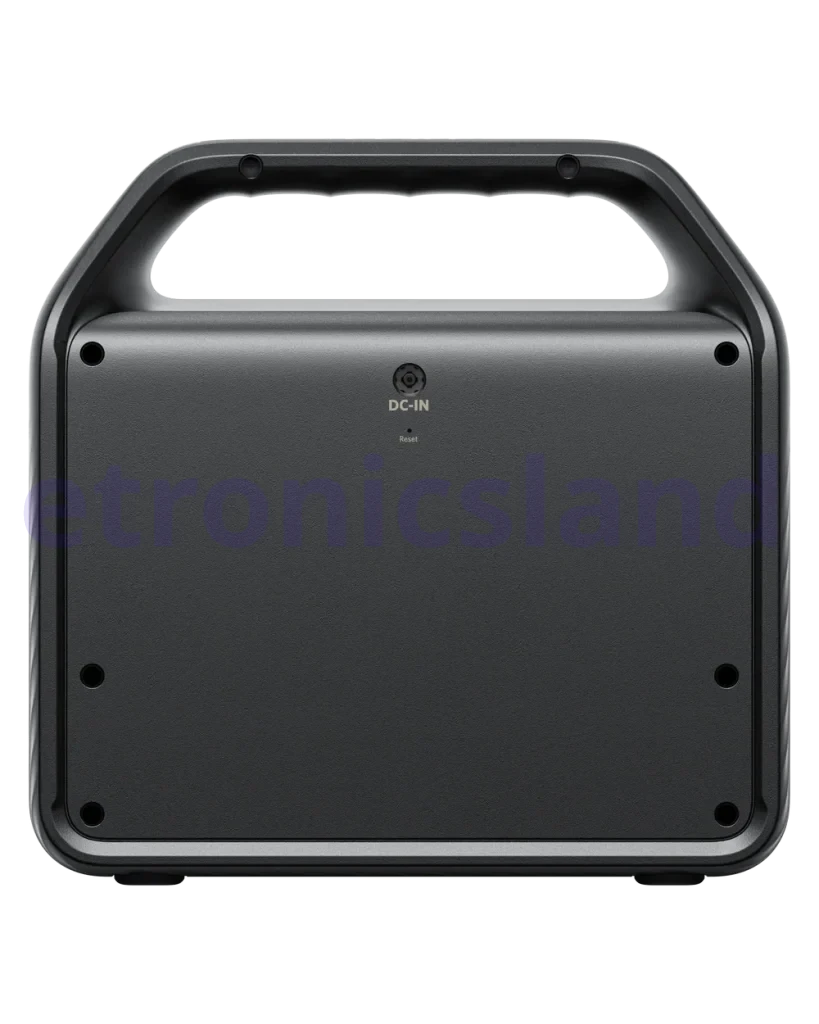
- Portability: At ~8 lbs, it is easy to carry with a solid handle.
- 60W USB-C: Charges laptops at full speed without needing the AC outlet.
- Smart Display: The real-time watt meter is very useful for managing power-hungry devices .
- 600W SurgePad: Allows you to briefly run devices that peak above 300W (like small kettles or heating rods) without tripping the unit .
Cons
- No Pass-Through Charging: You cannot charge the station while running devices on the AC ports. This is a significant downside for home backup scenarios .
- Weak USB-A Port: The single USB-A port is only 12W, which is very slow for modern tablets or iPhones (though you can use USB-C).
- No App/Bluetooth: Unlike larger Anker models (Solix C1000 or F2000), this unit lacks smart monitoring via phone app.
- Inconsistent QC: Reports of units failing shortly after the first year exist, though Anker support is generally responsive.
Review Ratings (Scale of 1 to 5)
| Category | Rating | Comments |
|---|---|---|
| Build Quality | 4.5 / 5 | Sturdy, drop-resistant design. Feels robust. |
| Battery Tech | 5 / 5 | LiFePO4 at this price point is industry-leading. |
| Port Selection | 4.2 / 5 | Good mix, but USB-A is slow and no DC barrel outputs. |
| Charge Speed | 4 / 5 | 3.5 hours is decent; 2 hours if you dual-charge. |
| Value for Money | 4 / 5 | Great value if on sale ($150-$200 USD). High MSRP hurts it. |
| Overall Score | 4.3 / 5 | Highly Recommended for light camping and phone/laptop backup. |
Final Verdict
The Anker SOLIX PowerHouse 522 is a perfect entry-level “starter” station.
Buy this if:
- You need to keep phones, tablets, lights, and a laptop running for a weekend.
- You want a battery that will last for a decade.
- You are pairing it with a 100W solar panel for off-grid charging.
Don’t buy this if:
- You need to run a full-size fridge, power tools (saws/drills), or a coffee maker (over 600W).
- You need to use it as a UPS (Uninterruptible Power Supply) that charges while outputting power.
It is a superior product to gas generators for quiet camping, but a note for potential buyers: charge it to 100% immediately upon opening to avoid the “activation” panic many users initially experience.